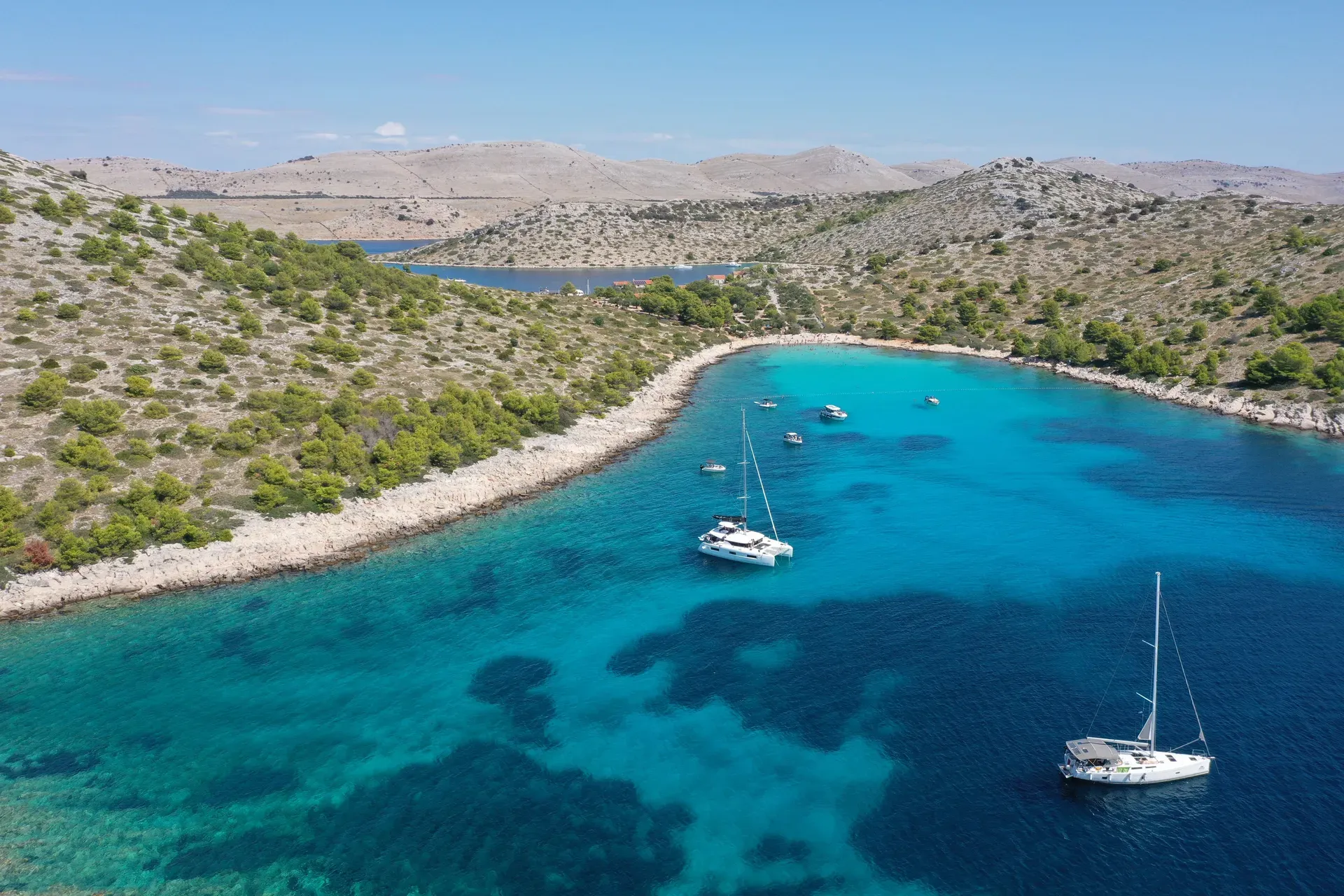
Off the Dalmatian coast between Zadar and Šibenik, Kornati National Park scatters 89 treeless limestone islands across 217 square kilometres of protected Adriatic — the densest archipelago in the Mediterranean, with white cliff 'crowns' rising more than 80 metres above the water. There's no ferry and no bridges, so you arrive by boat: swim at Lojena's turquoise pebble cove, lunch on grilled fish at a konoba a few steps from the waterline, and sail past cliffs that keep dropping 90 metres below the surface.
Find Guided ToursNinety minutes by boat from Murter, the Kornati archipelago spreads 89 islands, islets and reefs across 217 square kilometres of the northern Dalmatian Adriatic, between Zadar and Šibenik. Four-fifths of the park is sea. There's no bridge, no scheduled ferry and no permanent residents — you arrive by boat, full stop, which is exactly why sailors keep coming back. It's the densest archipelago in the Mediterranean.
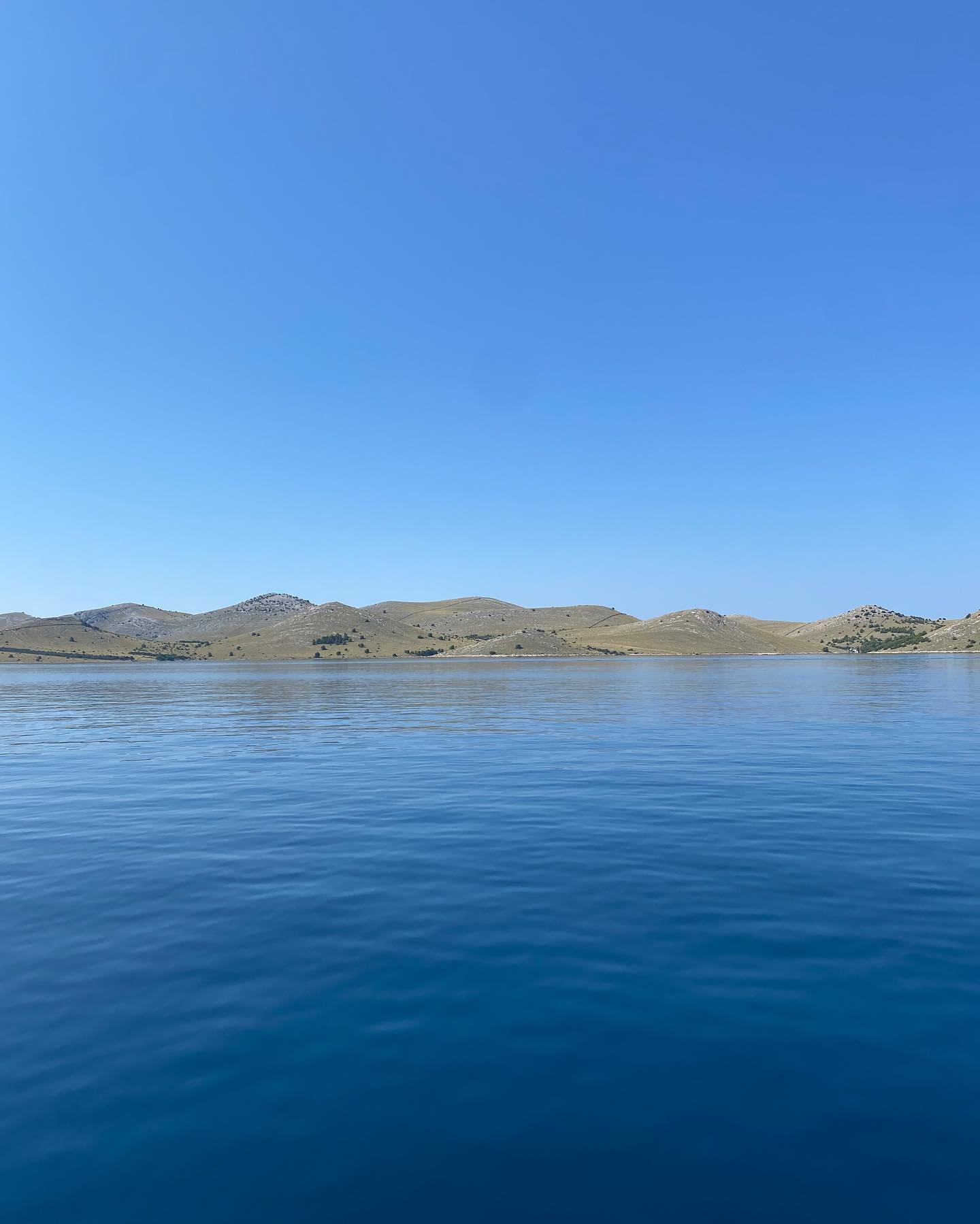
The islands themselves look almost lunar: treeless karst limestone ridges threaded with centuries-old dry-stone shepherd walls, built by families from Murter who still graze sheep here. Along the outer edge run the "crowns" (krune) — sheer fault cliffs that rise more than 80 metres above the water on Klobučar and plunge over 90 metres below it near Piškera. They're the single image the archipelago is famous for, best watched from the deck of a slow tour boat.
The rock under your keel was deposited about 100 million years ago, in the Upper Cretaceous, as layers of limestone and dolomite on an ancient seabed. Tectonic faulting then cracked and tilted those layers, leaving the long grey ridges and vertical crown walls you see today. The highest point is Metlina on Kornat, 237 metres. Erosion did the rest: about 85% of the land is bare stony karst, home to 537 plant species and underwater meadows of Posidonia seagrass along 238 kilometres of coastline.
People have worked this rock since Neolithic times, and Roman remains still dot the islands. The park's most striking monument is Tureta, a Byzantine fortress from the 6th century that crowns Kornat island, with the ruins of the three-nave church of St. Mary at its foot. George Bernard Shaw put it best: the gods, he said, made Kornati from "tears, stars and breath." Protection came late by comparison — geographer Sven Kulušić first proposed a national park in 1965, the islands became a nature reserve in 1967, and the Kornati National Park Act took force on August 13, 1980.
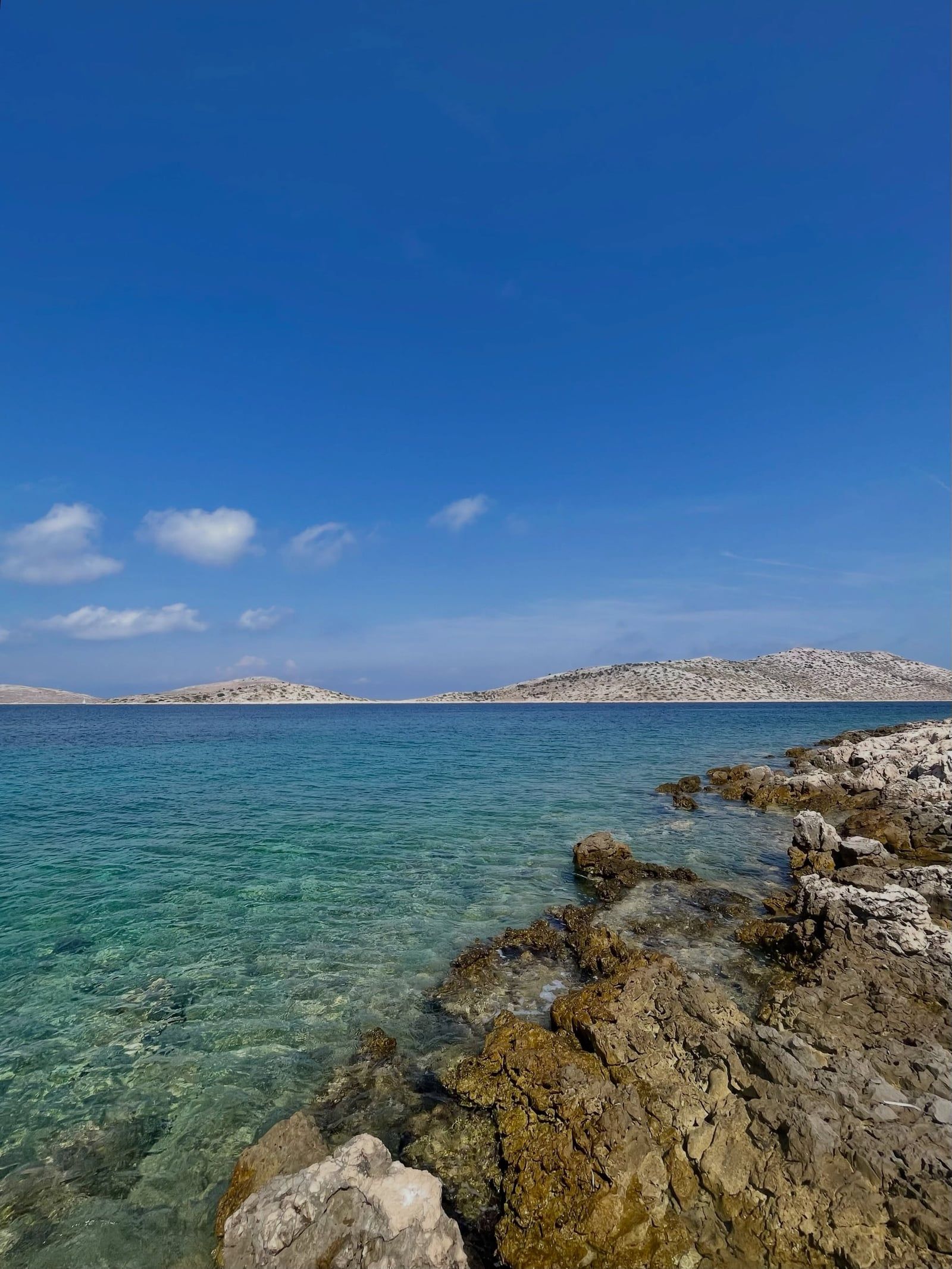
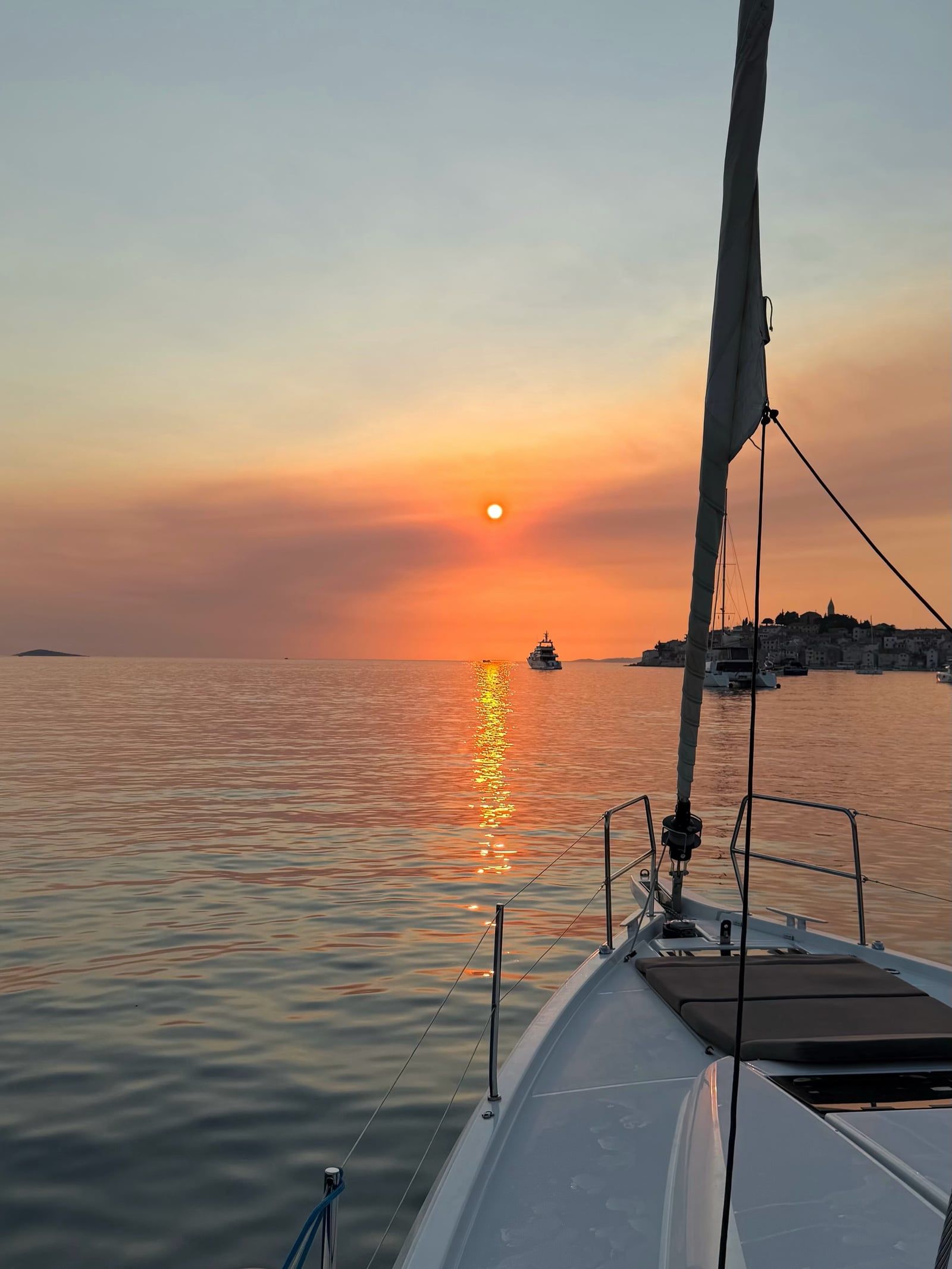
Discover the full history and cultural significance on our About page.
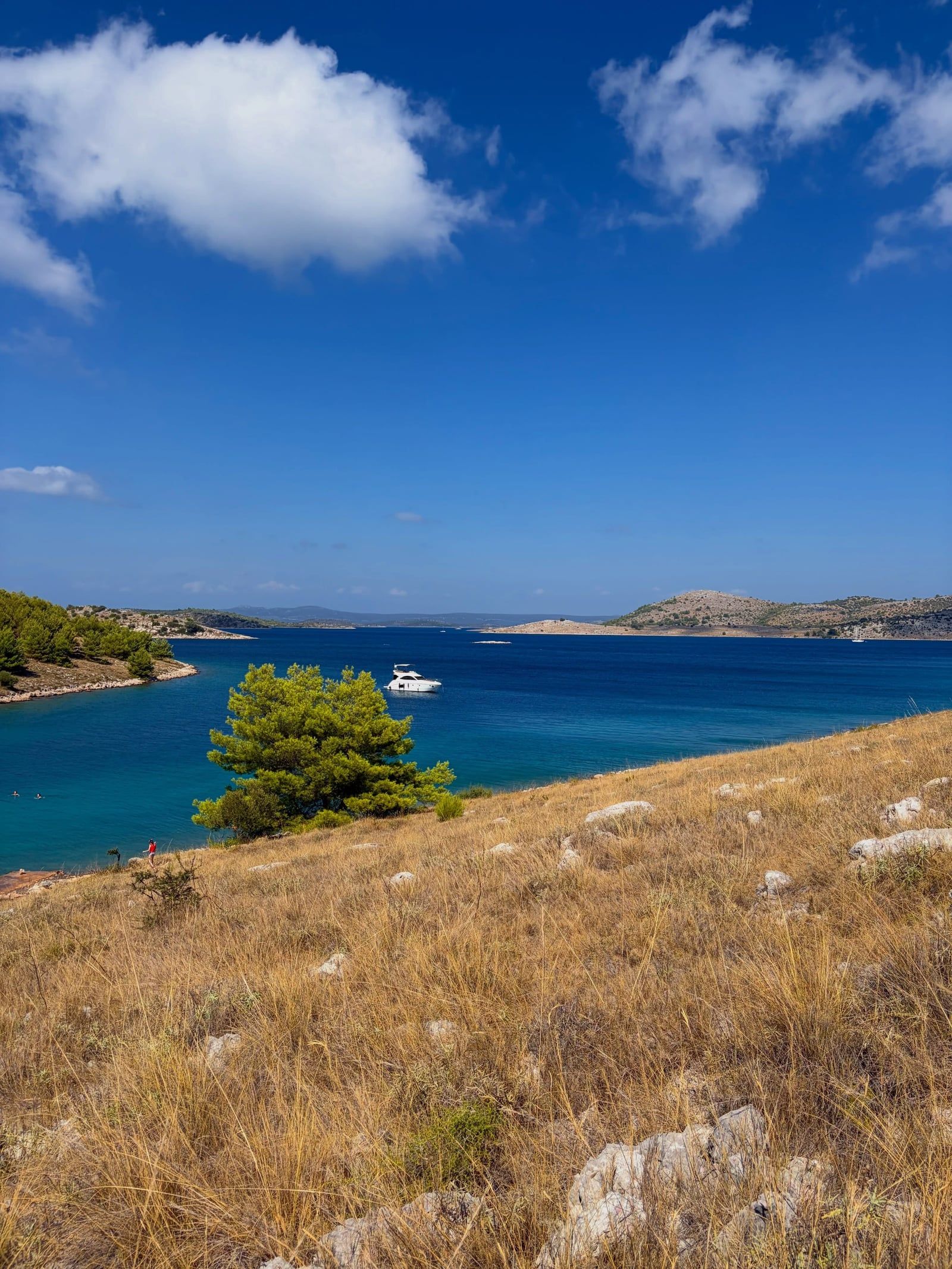
The outer islands drop away in sheer white limestone walls — over 80 metres of cliff above the water and more than 90 metres continuing below it. From a tour boat's deck, these fault cliffs slide past for kilometres. It's the single image the archipelago is famous for.
Levrnaka's pale pebble crescent and turquoise shallows are the park's classic swim stop — a rare soft landing on islands that are otherwise bare karst. Tours time their midday break here while the maestral breeze is still light. Sheltered bays like Vruje and Lavsa work too.
Kornat island's 6th-century Byzantine fortress is the park's most significant monument, with the ruins of the three-nave church of St. Mary at its foot. The climb rewards you with panoramas over the southern Kornati. Stick to marked trails — all land here is privately owned.
Watch evening light turn the crowns gold from a mooring in Vruje, Statival or Šipnate — no villages, no streetlights, only other hulls for company. It's the experience sailors return for yearly. Overnight anchoring is allowed only at the 16 designated bays, so plan ahead.
Join a boat tour to Kornati from Zadar, Biograd or Vodice with breakfast and lunch on board, from $50.94 with free 24-hour cancellation.
Swipe to see more
 Free Cancellation 9h 40min
 Free Cancellation 8h
 Free Cancellation 8h
 Free Cancellation 8h 30min Free Cancellation 8h 30min
 Free Cancellation 8h 30min
 Free Cancellation 4h 30min
 Free Cancellation 10h Free Cancellation 9h 40min Free Cancellation 8h
 Free Cancellation 9h
 Free Cancellation 10h
Late May, June and September are the sweet spot: warm swimmable sea, settled weather and far fewer boats competing for bays. July and August add the warmest water (around 25 °C) but also peak crowds and peak prices, while November to March shuts down almost entirely.
April is possible but weather-dependent; by late May the sea is warm enough for swimming and the bays are still uncrowded. Tours run mainly for groups in shoulder months, so email operators ahead to join one.
The warmest sea (around 25 °C), guaranteed daily tour departures and 22 sunny days in August. But boats fill days in advance, konobas are booked solid at lunch, and 16.9 of the year's ~40 days at 30 °C or above fall in August.
September matches June for warm water, settled weather and a fraction of the boats — arguably the finest month of all. October stays weather-dependent, and by November the tour fleet and island taverns have shut down.
Almost nothing runs from the mainland: no day-tour fleet, no konobas. The bura peaks now — storm winds average 5.8 days, most often in December, and 6+ Beaufort winds blow about 37 days a year. Sailors only, with a forecast check.
Kornati National Park never closes. There are no gates, no fixed opening hours and no staffed entrance — it's an open stretch of sea and islands, so you can arrive by boat at any hour on any day of the year. The park administration office in Murter (Butina 2) is open all year, and mobile ranger desks operate inside the park during the season. Tickets follow their own clock: a one-day ticket bought between 00:00 and 24:00 stays valid until 12:00 noon the next day, 3-day tickets run until noon on the fourth day, and 5-day tickets until noon on the sixth. Day tours themselves run roughly 9:00 to 18:00, mainly April through October.
| Category | Price |
|---|---|
| Day ticket, boats up to 6.99 m (bought outside the park, off-season Jan–May & Oct–Dec / season Jun–Sep) | €25.00 / €45.00 |
| Day ticket, boats 7.00–10.99 m (outside park, off-season / season) | €30.00 / €65.00 |
| Day ticket, boats 11.00–17.99 m (outside park, off-season / season) | €50.00 / €95.00 |
| Day ticket, boats 18.00–24.99 m (outside park, off-season / season) | €80.00 / €160.00 |
| Day ticket, boats 25.00–34.99 m (outside park, off-season / season) | €175.00 / €320.00 |
| Day ticket, boats 35.00–49.99 m (outside park, off-season / season) | €400.00 / €640.00 |
| Day ticket, boats 50.00–74.99 m (outside park, off-season / season) | €690.00 / €1,035.00 |
| Day ticket, boats 75.00–99.99 m (outside park, off-season / season) | €1,035.00 / €1,725.00 |
| Day ticket, boats over 100 m (outside park, off-season / season) | €1,210.00 / €2,245.00 |
| Day ticket bought inside the park from mobile ranger desks (smallest class, up to 6.99 m) | €45.00 / €90.00 |
| 3-day ticket (outside park, off-season / season, by boat size) | €45.00 / €90.00 up to €2,415.00 / €4,485.00 |
| 5-day ticket (outside park, off-season / season, by boat size) | €65.00 / €130.00 up to €3,625.00 / €6,730.00 |
| 3-day Kornati + Telašćica combo ticket (mySea only, by boat size) | €55.00 / €110.00 up to €2,770.00 / €5,870.00 |
| Vessels without an engine (kayaks, etc.) | €7.00 per person per day |
| 'Life in Kornati Household' program participants | €2.00 per person per day |
| Student tour participants | €1.50 per person per day |
| Diving licence (per diver; €7.00 per accompanying visitor) | €15.00 |
| Fishing licence, on top of the daily ticket | €20.00 for 1 day / €40.00 for 3 days |
| Commercial filming/photography permit | €800.00 per day / €1,600.00 for 7 days |
| Drone filming (with permits) | €1,400.00 per day |
The fee is charged per boat per day, with every visitor required to hold a valid ticket for each day in the park — there are no child, senior or individual-adult rates. Buying in advance outside the park costs roughly half the ranger-boat rate: a boat under 7 m pays €25/€45 in advance versus €45/€90 inside the park. Advance tickets are sold at the ABA reception in Murter (Trg Rudina), at commission sales points, via the park webshop (shop.np-kornati.hr), Parks of Croatia and mySea. Tickets can't be cancelled, and one date change per season is allowed by email ([email protected]) until 12:00 the day before your visit. Guests at ACI marina Piškera get the ticket included with their berth fee, and day-tour passengers (tours run about €35–40 per person) pay no separate fee — the ticket is in the tour price.
For complete schedules and ticket prices, visit our Hours & Fees page.
There is no street address to drive to — the park is an 89-island archipelago reachable only by boat. Gateway ports are Murter (about 7 nautical miles away), Zadar and Šibenik (about 15 nm each), from which organised day tours, private charters or your own vessel with a valid park ticket get you there.
📍 Kornati National Park Public Institution, Butina 2, 22243 Murter, Croatia
Murter is the traditional gateway and the closest departure point — roughly 7 nautical miles (13 km) from the islands, so you spend the least time crossing. Full-day tours run about 8-10 hours, typically departing around 9:00 and returning around 18:00, with boat, guide, lunch and the park ticket all bundled. Daily sailings run July-August; in May, June, September and October, tours are mainly group-based and individuals can join. Park-contracted operators include NEVIKA CRUISE and MAČEK d.o.o., and you can buy tickets at the ABA reception on Trg Rudina.
Zadar sits about 15 nautical miles (28 km) from the park, so full-day tours here run longer — roughly 9-10 hours door to door. Contracted operators include Forum Tours (Moj Dragulj), PROVA/HelloKornati, Montana Line (Arbiana) and Punta Artić. Departures are daily in July and August, group-based in the shoulder months. If prone to seasickness, take tablets before the open-water crossing and pick a calm-weather day — the bura can make it bumpy.
For a faster, flexible day, private RIB charters run from the Šibenik-Vodice-Biograd coast, about 15 nm from the park's edge. Operators under contract with the park include Katarina Line, ADRIA MICE and GAĆINA Adriatic Charter in Šibenik, Lastavica in the Vodice area, NEVE in Biograd and Sea Shell Tours in Pakoštane. Šibenik trips often pair the archipelago with a cruise through St. Anthony's Channel. Shared day tours from these ports cost the standard tour price.
With your own sailboat or motorboat you can enter from anywhere on the Dalmatian coast — the park lies about 7 nm from Murter and 15 nm from Šibenik and Zadar. Most sailors cruise for several days on 3-day or 5-day tickets, anchoring overnight only at the 16 designated bays. Tickets are sold at the ABA reception in Murter, at commission sales points, and online via shop.np-kornati.hr, Parks of Croatia or mySea. Berthing at ACI marina Piškera includes the entrance ticket with the berth fee.
Fly into Zadar (ZAD) or Split (SPU), then reach a gateway port by bus or car. From Šibenik, Zadar Airport is 70.6 km by road (bus about 2 h 25 m), Murter is about 34 km (36 min) from Šibenik and roughly 65 km from Zadar. Buses between Šibenik and Zadar Airport cost €2-35. From Murter, Zadar, Šibenik, Vodice or Biograd, join one of the park-contracted day tours for the final leg — 45 to 120 minutes by boat.
For detailed transport options and routes, visit our Directions page.
Admission is charged per boat, per day, and the price roughly doubles if rangers sell it to you inside the park. A boat under 7 m pays €45 in season bought in advance versus €90 on the water. Get it online at shop.np-kornati.hr or the ABA reception on Trg Rudina in Murter. Note tickets can't be cancelled at all — book only when your weather window is firm.
Murter sits about 7 nautical miles from the islands, against 15 nm from Zadar or Šibenik, so its tours spend the least time crossing open water. That matters with kids or anyone prone to seasickness, since the longer crossings get bumpy when wind picks up. Zadar and Šibenik trips run 9–10 hours; from Murter you'll spend more of the day actually in the archipelago.
Overnight stays are legal only at the 16 designated bays — Šipnate, Vruje, Lavsa, Ravni Žakan, Anica and others — and four strict-protection zones (Purara, Mrtenjak, Kolobučar and the Obručan islets) are closed to everyone, swimming included. All land is privately owned, so hiking is limited to marked trails. Berthing at ACI marina Piškera includes your park ticket.
There's no drinking water supply on the islands and no medical facility inside the park — nearest first aid is in Murter or Sali, and the closest hospital is Šibenik. Stock provisions on the mainland and bring cash for the roughly 20 seasonal konobas in bays like Lavsa and Ravni Žakan. In an emergency call 112; rescue across the archipelago takes time.
The park's most frequent wind blows 6+ Beaufort about 37 days a year and can cancel or reroute open-water crossings, mostly in spring and autumn. Check the marine forecast before you commit, pick operators with a fair-weather policy, and keep a spare day in your itinerary in shoulder season. If you get seasick, take tablets before any 15-nm crossing.
Late May, June and September give you warm-enough water, settled weather and a fraction of the July–August boat traffic competing for bays and konoba lunches. August throws 16.9 of the year's roughly 40 days at 30 °C plus peak prices. In shoulder months tours run mainly for groups, though individuals can join — email operators ahead to confirm a seat.
The park's southeast edge faces this sheltered bay on Dugi Otok, where the Stene cliffs rear over 160 metres out of the sea and the shallow, swimmable Mir salt lake sits just behind the clifftop. Many day tours include it, and a 3-day combo ticket covering both parks costs €55–€110 for small boats via mySea.
Croatia's river park of travertine waterfalls, monasteries and forest walks, centred on the Skradinski Buk falls near the Skradin entrance about 30 minutes by bus from Šibenik. It's the natural land day to pair with a Kornati sea day from the same base.
Dalmatia's oldest coastal town has the UNESCO-listed St. James's Cathedral and the waterfront St. Nicholas' Fortress, whose info centre gives Kornati ticket holders a 10% discount if the ticket is under 7 days old. It's also one of the main departure ports for Kornati tours.
Read what travelers share about their experience visiting Kornati National Park — from practical tips to personal highlights.
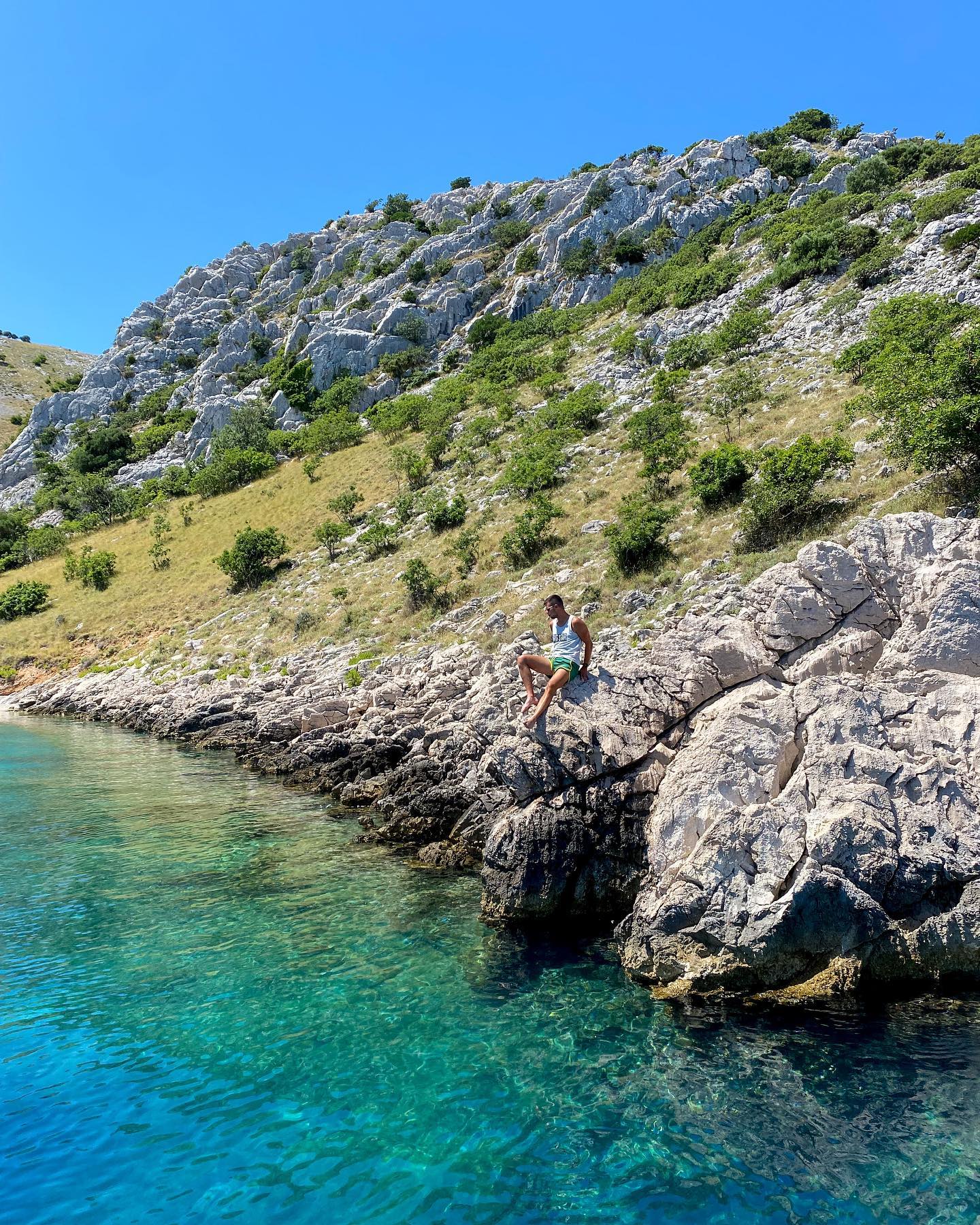
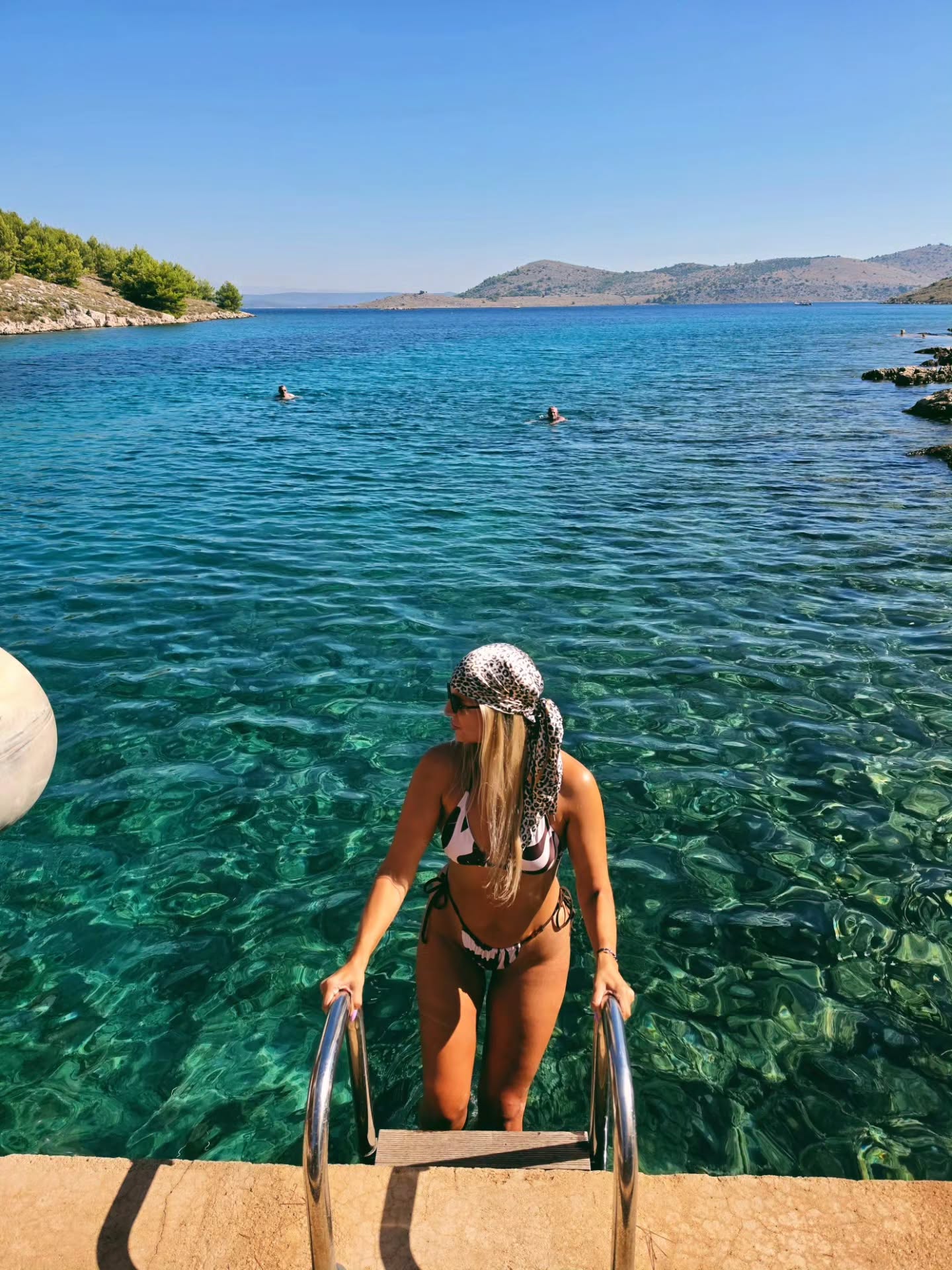
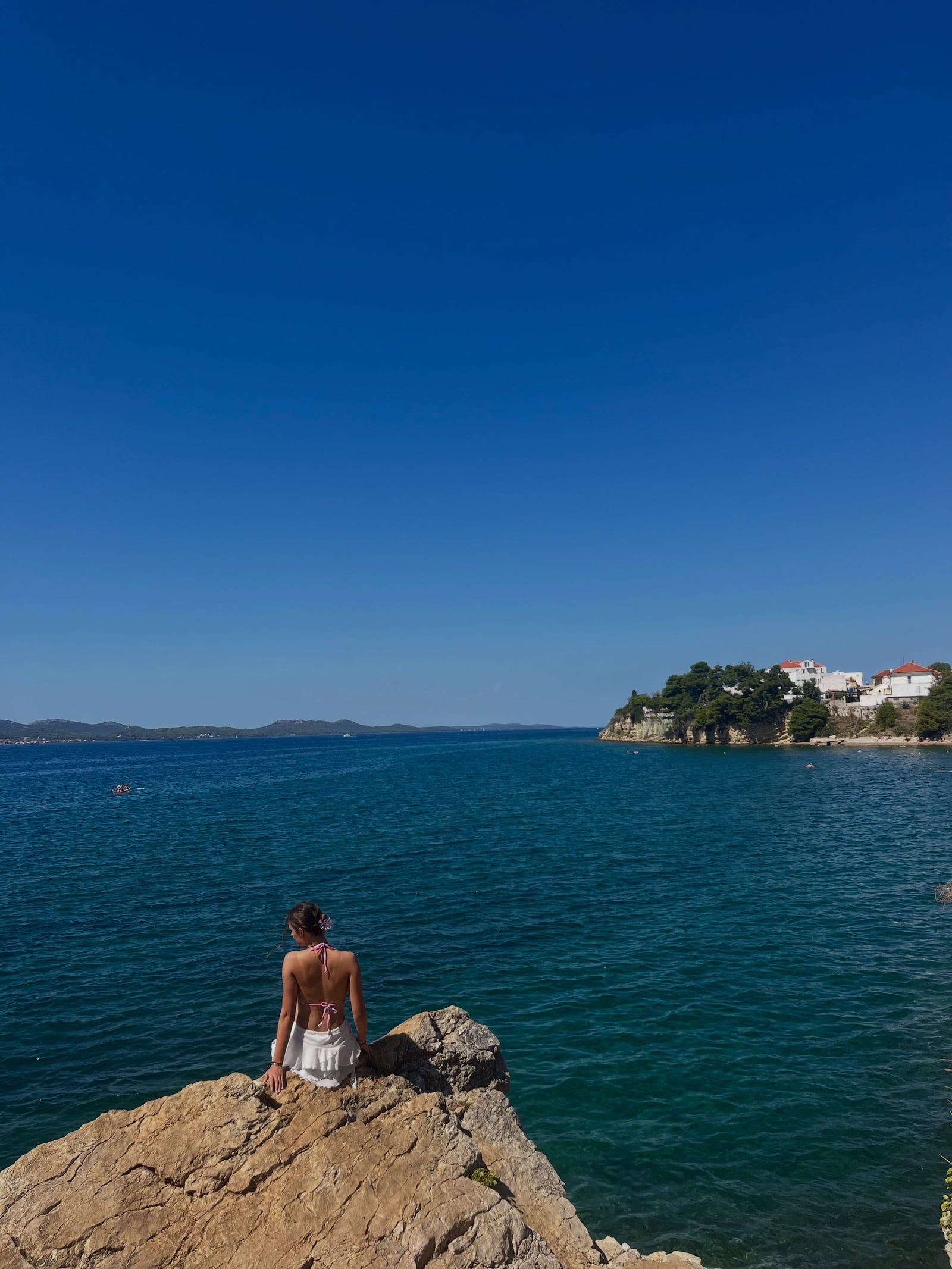
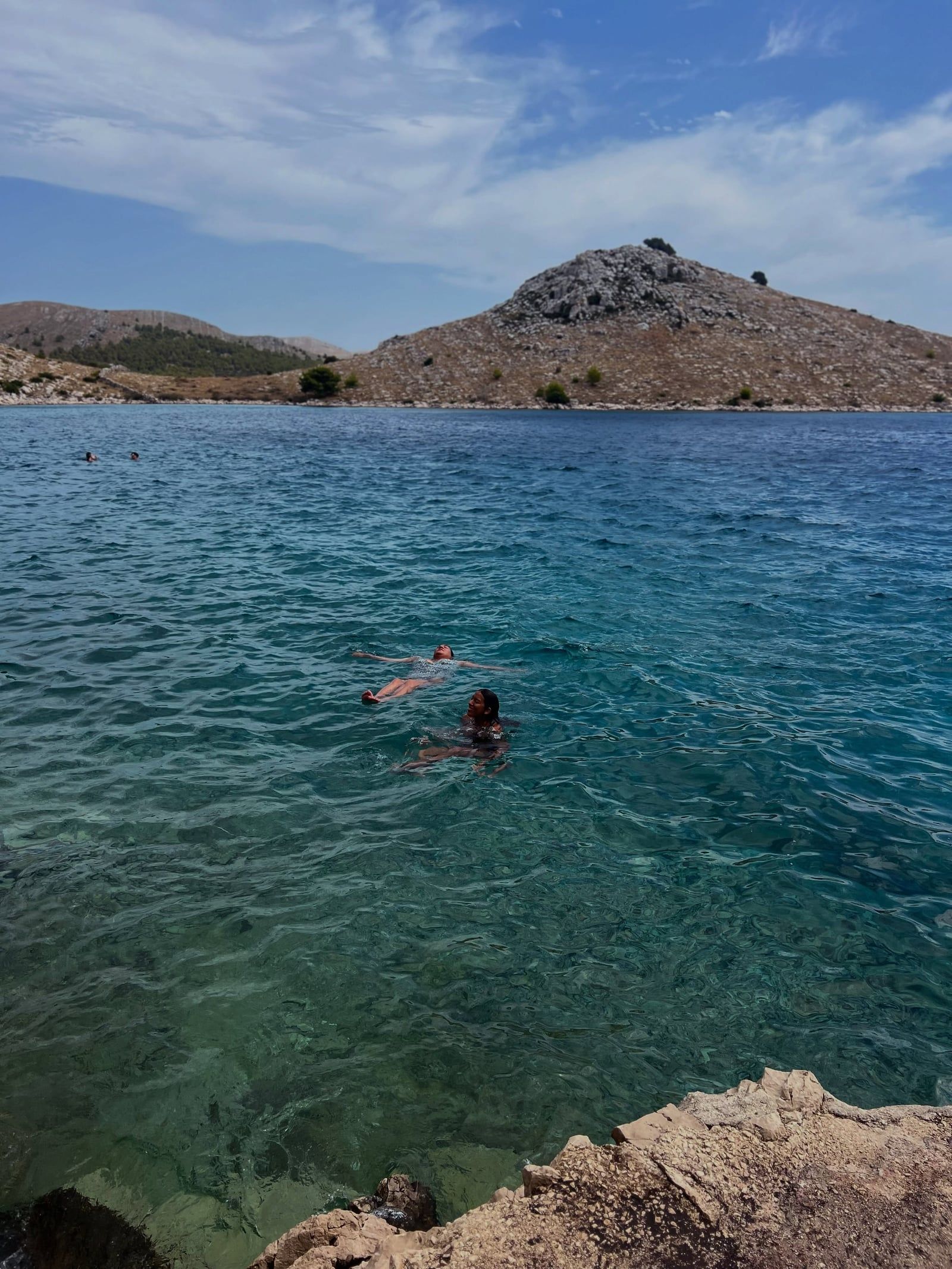
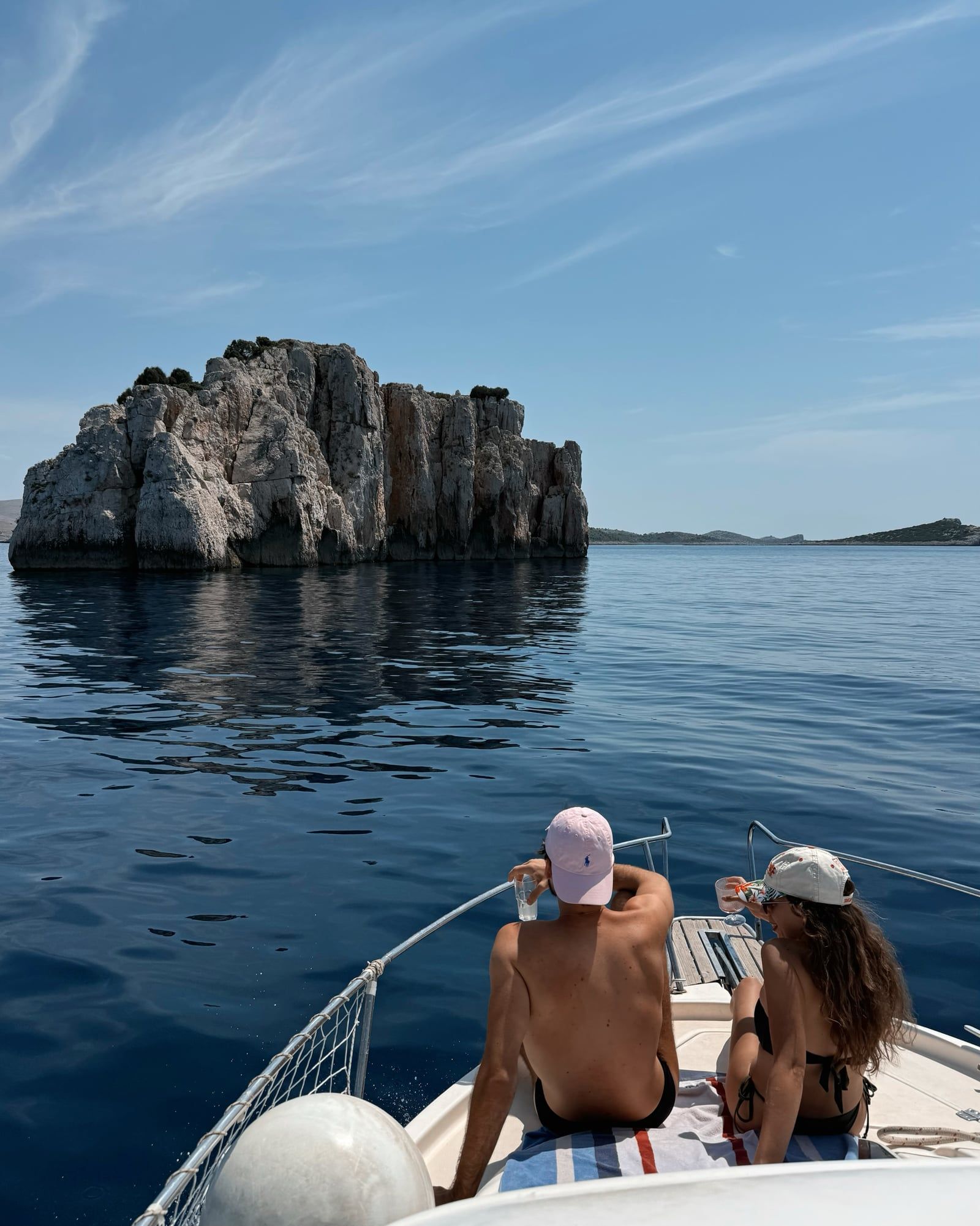
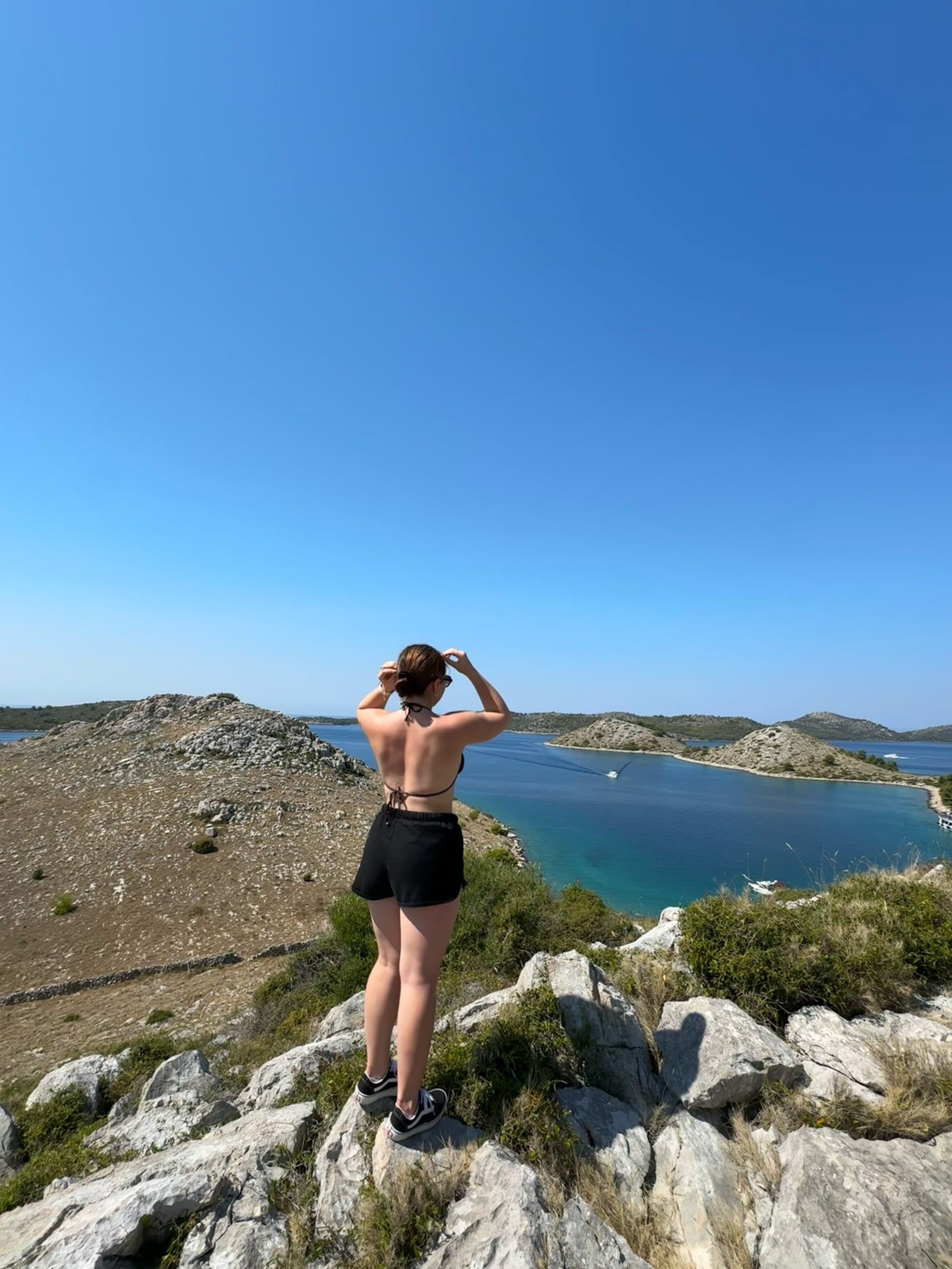
Planning advice, comparisons, and practical tips.
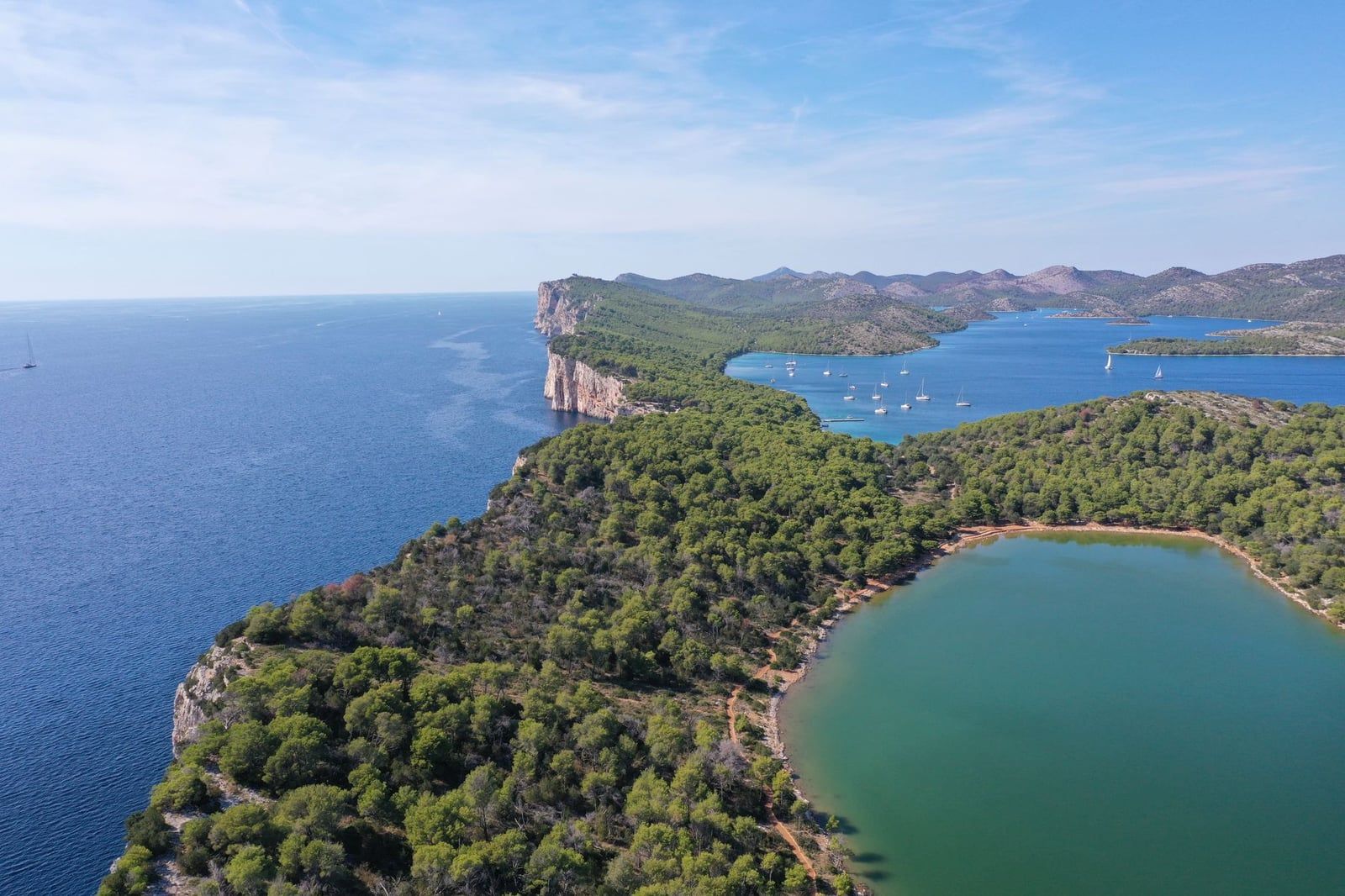
Ninety minutes out of Zadar, the Dalmatian coast drops behind you and the Kornati take over: 89 islands of grey karst stacked across the horizon,…
Eighty-nine treeless islands of white karst, water clear enough to count sea urchins six meters down, and no ferry to deliver the crowds — that is…
Admission is charged per boat, not per person: a boat up to 6.99 m pays €25 off-season (January–May, October–December) or €45 in season (June–September) when bought in advance outside the park. Buy from the mobile ranger desks inside the park and the smallest class jumps to €45/€90, so purchase ahead at shop.np-kornati.hr, mySea, or the ABA reception in Murter.
Yes — there's no bridge and no scheduled ferry, but organised full-day tours run from Murter, Zadar, Šibenik, Vodice, Biograd and Pakoštane for roughly €35–40 per person, including the boat, guide, lunch, and park ticket. Tours depart around 9:00 and return around 18:00.
Murter is only about 7 nautical miles from the park, so the crossing takes 45–60 minutes — the shortest transit of any departure point. Zadar and Šibenik sit about 15 nm away, making full-day trips of roughly 8–10 hours including the crossing.
Late May, June and September give you warm enough water for swimming with a fraction of the boats; July and August bring the warmest sea (around 25 °C) but also peak crowds and the highest prices. Skip November through March — the tour fleet and island konobas shut down, and the winter bura peaks with storm winds averaging 5.8 days, mostly in December.
It depends entirely on the boat, since there's no bridge or ferry — several large excursion boats from Vodice, Zadar and Murter advertise wheelchair access, strollers and infant seats, while small speedboats and RIBs are not wheelchair accessible. On land there are no paved paths; trails are rough stony karst and shorelines are pebble or rock, so shore visits generally require assistance.
Pack swimwear, a sun hat, high-SPF sunscreen, a windproof layer for the crossing, and sturdy non-slip shoes for the rocky coves — the park gets 2,600–2,700 sunshine hours a year with almost no shade on the treeless karst. Bring cash for the konoba taverns and plenty of water, since there's no drinking water supply on the islands and no shops beyond a small store on Vela Panitula in high season.
Yes, and not just for the savings — tickets are non-refundable and a date change is allowed only once per season, requested by email to [email protected] no later than 12:00 the day before your visit. In July and August, boats fill up days in advance and konobas are booked solid at lunch, so book once your weather window is firm.
Sailors may anchor overnight only at the 16 designated bays, such as Vruje, Lavsa, Ravni Žakan and Šipnate — camping outside authorised camps is strictly forbidden. Guests at ACI marina Piškera get the park ticket included with their berth fee, and small houses or rooms can be rented through Murter agencies.
Browse verified tours with free cancellation and instant confirmation.
Find Tours